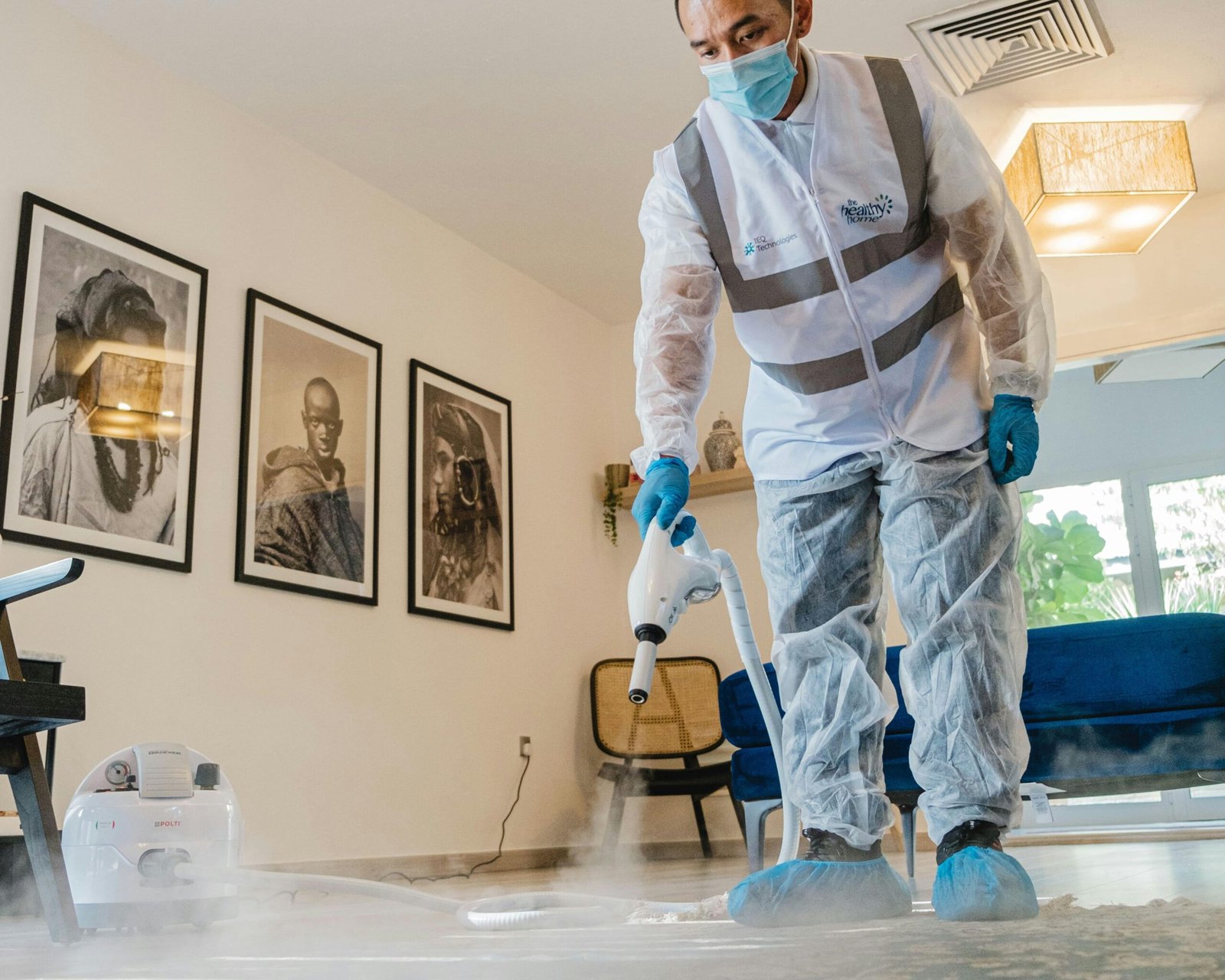
Carpets play a major role in a home’s comfort and appearance, but they also trap dirt, dust, allergens, and bacteria over time. Many homeowners wonder how often professional carpet cleaning is really necessary—and whether it’s worth the cost.
The answer depends on several factors, including household size, foot traffic, pets, allergies, and lifestyle. This guide explains recommended carpet cleaning frequencies, why timing matters, and how regular cleaning affects both cost and carpet lifespan.
General Recommendation for Carpet Cleaning Frequency
Most carpet manufacturers and industry professionals recommend having carpets professionally cleaned every 12 to 18 months for average households.
However, this is a baseline—not a universal rule. Some homes need more frequent cleaning, while others can safely wait longer.
Carpet Cleaning Frequency by Household Type
Low-Traffic Homes
Recommended: Every 18–24 months
Homes with:
- One or two occupants
- No pets
- Minimal foot traffic
These carpets accumulate dirt slowly and typically maintain appearance longer with regular vacuuming.
Average Households
Recommended: Every 12 months
This includes:
- Families with children
- Moderate daily foot traffic
- Occasional spills or messes
Annual professional cleaning helps prevent buildup that leads to premature carpet wear.
Homes With Pets
Recommended: Every 6–12 months
Pets introduce:
- Hair and dander
- Accidents and odors
- Tracked-in dirt
More frequent cleaning helps control allergens and prevent stains from setting permanently.
Allergy or Asthma Households
Recommended: Every 6–9 months
Carpets trap allergens such as:
- Dust mites
- Pollen
- Pet dander
Regular deep cleaning can improve indoor air quality and reduce allergy symptoms.
High-Traffic or Rental Properties
Recommended: Every 3–6 months
Rental homes, vacation properties, and busy households often require more frequent cleaning due to constant use.
Why Regular Carpet Cleaning Matters
Extends Carpet Lifespan
Dirt particles act like sandpaper, breaking down carpet fibers over time. Removing this buildup helps carpets last longer.
Improves Indoor Air Quality
Clean carpets reduce airborne dust and allergens, creating a healthier living environment.
Maintains Appearance
Professional cleaning restores color, texture, and overall appearance, preventing carpets from looking worn or dingy.
Prevents Permanent Stains
Fresh spills are easier to remove. Regular cleaning prevents stains from becoming permanent.
Signs Your Carpet Needs Cleaning Sooner
Even if you’re following a general schedule, certain signs indicate it’s time to clean sooner:
- Visible stains or discoloration
- Persistent odors
- Increased allergy symptoms
- Matted or flattened carpet fibers
- Dark traffic lanes
Ignoring these signs can lead to deeper damage and higher cleaning costs later.
Carpet Cleaning Frequency by Cleaning Method
Different cleaning methods affect how often carpets should be cleaned.
Steam Cleaning (Hot Water Extraction)
Frequency: Every 12 months
Steam cleaning removes deep-set dirt and is widely recommended for routine maintenance.
Dry Carpet Cleaning
Frequency: Every 6–12 months
This low-moisture method is often used for maintenance cleaning and quick refreshes.
Encapsulation Cleaning
Frequency: Every 6 months
Common in commercial settings, encapsulation is ideal for frequent upkeep.
Shampooing
Frequency: As needed
Less commonly used today and not ideal for long-term maintenance due to residue concerns.
How Carpet Type Affects Cleaning Frequency
Plush and High-Pile Carpets
These trap dirt more easily and may require more frequent cleaning.
Low-Pile or Berber Carpets
Dirt stays closer to the surface, making vacuuming more effective and extending cleaning intervals.
Wool or Specialty Carpets
Natural fibers often require gentler methods and careful scheduling to avoid damage.
How Often Should Carpets Be Vacuumed?
Professional cleaning works best when paired with regular vacuuming.
Recommended vacuuming schedule:
- High-traffic areas: 2–3 times per week
- Low-traffic areas: Once per week
- Homes with pets: 3–4 times per week
Vacuuming removes surface dirt before it becomes embedded.
Does More Frequent Cleaning Increase Costs?
While more frequent cleaning means more service appointments, it can actually reduce long-term costs by:
- Preventing permanent stains
- Avoiding deep restorative cleaning
- Extending carpet lifespan
- Reducing the need for early replacement
Routine maintenance is typically cheaper than intensive treatments.
Seasonal Considerations for Carpet Cleaning
Certain times of year may be better for cleaning:
- Spring: Removes winter dirt and allergens
- Fall: Prepares carpets for holiday traffic
- After major events: Restores carpets after gatherings or renovations
Scheduling during off-peak seasons may also reduce costs.
DIY Cleaning vs. Professional Cleaning Frequency

DIY carpet cleaners can handle minor spills and surface dirt, but they don’t replace professional services.
DIY cleaning:
- Works for spot treatment
- May leave residue
- Can overwet carpets if misused
Professional cleaning:
- Uses stronger equipment
- Removes deep debris
- Ensures proper drying
Both play a role, but professional cleaning is essential for long-term care.
How Regular Cleaning Affects Carpet Warranty
Many carpet manufacturers require professional cleaning at specific intervals to maintain warranty coverage. Skipping recommended cleanings may void warranties.
Always check manufacturer guidelines.
Creating a Carpet Cleaning Schedule
A simple way to stay on track is to create a cleaning schedule based on your household needs.
Example:
- Annual cleaning for general maintenance
- Spot cleaning as needed
- Additional cleaning after major spills or pet accidents
Consistency is key.
Final Thoughts
How often you should have your carpets professionally cleaned depends on your lifestyle, household size, and carpet usage. While every 12 months works for many homes, others may benefit from more frequent service.
Regular professional carpet cleaning protects your investment, improves indoor air quality, and keeps your home looking its best. Understanding the right schedule helps you plan ahead and avoid unnecessary costs.